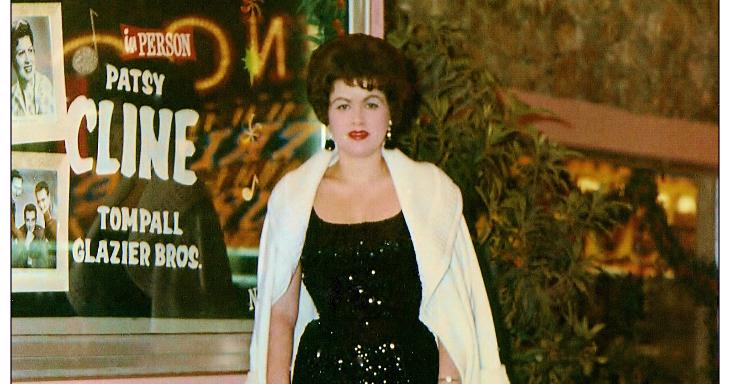

Which country artist sang the hits "Crazy", "I Fall to Pieces," and "Walkin' After Midnight"?
The correct answer is Patsy Cline. She recorded Crazy, I Fall to Pieces, and Walkin’ After Midnight.
Patsy Cline is the answer. Born Virginia Patterson Hensley, Cline became one of classic country music’s defining vocalists through Nashville recordings that blended country phrasing, pop crossover arrangements, Owen Bradley’s production style, and a voice that strongly influenced later country singers.
Patsy Cline’s Country Music Breakthrough
Patsy Cline first gained major national attention with “Walkin’ After Midnight” in the late 1950s. The song helped introduce her to listeners beyond regional country audiences and showed how her voice could carry both country feeling and pop accessibility. Her rise came during a period when Nashville country music was increasingly reaching radio listeners outside the traditional country market.
The Hits Named in the Question
“Walkin’ After Midnight,” “I Fall to Pieces,” and “Crazy” are three of Patsy Cline’s best-known recordings. “I Fall to Pieces” became a major country-pop crossover hit and helped establish her as a leading female country artist. “Crazy,” written by Willie Nelson, became one of Cline’s signature songs and remains closely tied to her vocal style.
The Nashville Sound and Cline’s Voice
Producer Owen Bradley was closely associated with the polished Nashville Sound heard on many of Patsy Cline’s recordings. That style often used smoother arrangements, background vocals, and pop-influenced production while still keeping country emotion at the center of the performance. Cline’s phrasing, control, and emotional directness helped her songs work for both country music audiences and broader pop listeners.
Recognition After a Short Career
Patsy Cline died in a plane crash in 1963, cutting short a career that had already produced several lasting country recordings. Her influence continued through singers who drew from her blend of vocal power, restraint, and crossover appeal. She was later inducted into the Country Music Hall of Fame, giving concrete recognition to her place in classic country music history.
Ready for another challenge?
Start a 10-question challenge and test your knowledge of classic songs, singers, albums, lyrics, and music history.
Start the Challenge