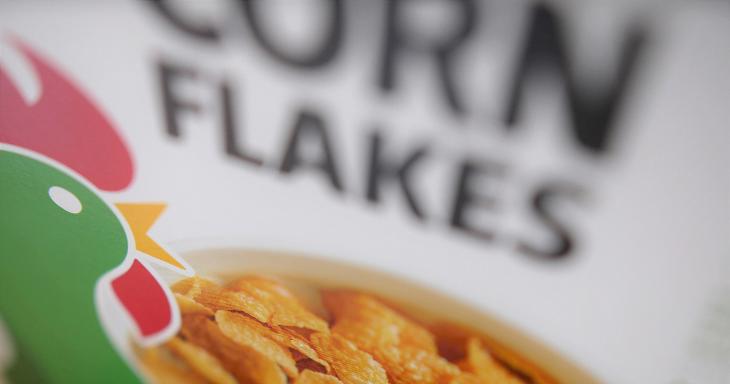
Classic Food Trivia Question
A breakfast cereal history question about Corn Flakes, the Kellogg brothers, and Battle Creek.
Classic Food Trivia Question
Question

Which popular American breakfast cereal was the first cereal accidentally created by the Kellogg brothers in 1894?

Correct Answer
Corn Flakes

The correct answer is Corn Flakes. The cereal was accidentally created by the Kellogg brothers in 1894 while they were experimenting with grain-based foods at the Battle Creek Sanitarium.

Like classic food trivia?
Start a 10-question trivia challenge beginning with a question like this. No signup needed to begin.
Start the Challenge
Why Corn Flakes Is the Correct Answer

Corn Flakes was the popular American breakfast cereal first accidentally created by the Kellogg brothers in 1894. The story begins in Battle Creek, Michigan, at the Battle Creek Sanitarium, a health institution run by Dr. John Harvey Kellogg. His younger brother, Will Keith Kellogg, worked with him there, and together they experimented with simple grain-based foods that fit the sanitarium’s strict ideas about diet, digestion, and healthy living.

The Battle Creek Sanitarium was not just a hospital in the ordinary sense. It was a famous wellness center that attracted patients who came for rest, exercise, special diets, and medical treatment. John Harvey Kellogg believed that food should be plain, nourishing, and easy for the body to digest. The kitchen at the sanitarium became a place of constant food experiments, especially with grains, nuts, and meatless dishes. These experiments helped shape the future of American breakfast.

The accidental discovery behind Corn Flakes is usually traced to cooked grain that was left sitting longer than intended. The Kellogg brothers were working with wheat at first. Rather than throwing away the softened grain, they ran it through rollers. Instead of forming a sheet of dough, the grain flattened into individual flakes. When the flakes were toasted, they became crisp. That mistake led to further experiments with other grains, including corn, and eventually to the cereal known as Corn Flakes.

Corn Flakes stood out because it was light, crisp, and simple to serve. At the time, breakfast in many American homes was often heavier and more time-consuming. People might eat porridge, eggs, meat, bread, pancakes, or leftovers from the previous day. A dry cereal that could be poured from a box and eaten with milk was a different kind of breakfast. It saved time, required almost no cooking, and fit the growing public interest in packaged foods.

John Harvey Kellogg saw grain flakes mainly as part of a health program. Will Keith Kellogg saw something more commercial. He believed the cereal could be sold to the public, not just served to sanitarium patients. The brothers disagreed over how the cereal should be marketed and whether it should be made more appealing to ordinary consumers. Will eventually left to build his own cereal business, which became the Kellogg Company.

That business decision helped turn Corn Flakes from a sanitarium food into a national product. Will Keith Kellogg understood branding, packaging, and advertising. He promoted Corn Flakes as a convenient, modern breakfast that families could trust. Battle Creek became known as the cereal capital of America, with many companies trying to compete in the growing ready-to-eat cereal market.

Corn Flakes also helped change the way Americans thought about breakfast. It encouraged the idea that breakfast could be quick and still feel complete. It helped make boxed cereal a pantry staple and opened the door for countless later cereals. The product was plain compared with many sweet cereals that came later, but that simplicity was part of its identity. Corn Flakes could be eaten with milk, fruit, sugar, or used in recipes as a crunchy coating or topping.

The answer is Corn Flakes. What began as a kitchen accident at the Battle Creek Sanitarium in 1894 became one of the most important breakfast cereals in American food history, helping launch the modern ready-to-eat cereal industry.

More Classic Food Trivia Questions

Ready for another challenge?

Start a 10-question trivia challenge and see how many classic snacks, candies, cereals, restaurants, desserts, and food brands you know.

Start the Challenge
Browse more: Classic Food Trivia