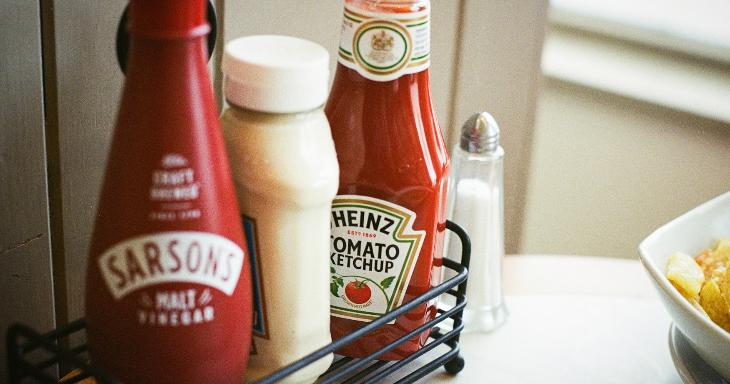
The correct answer is ketchup. In the 1830s, Dr. John Cook Bennett promoted tomato-based ketchup and tomato products with medicinal claims that sound unusual today.
Ketchup is the common American condiment that was sold as a medicine in the United States during the 1830s by Dr. John Cook Bennett. Today it is best known as a sweet tomato-based sauce served with fries, burgers, hot dogs, meatloaf, eggs, and many other foods, but its path into American kitchens included a strange chapter when tomatoes were promoted for their supposed health benefits.
The word ketchup is much older than the modern red condiment. Early versions were not always made from tomatoes. In Britain and America, the word was used for a wide range of bottled savory sauces, including mushroom ketchup, walnut ketchup, oyster ketchup, and anchovy ketchup. These sauces were usually strong, salty, and spiced, meant to add flavor to meat, soups, stews, and gravies. Tomato ketchup became common later, after tomatoes became more widely accepted as food.
For a long time, tomatoes had an uncertain reputation in parts of Europe and North America. Some people distrusted them because they belonged to the nightshade family. Others associated them with illness because acidic tomato preparations could react with certain metals used in older plates and cookware. By the early 1800s, tomatoes were gaining acceptance, but they still carried enough mystery that they could be promoted as something more than ordinary food.
That is where Dr. John Cook Bennett enters the story. Bennett, a physician from Ohio, became known in the 1830s for praising tomatoes as a healthful ingredient. He claimed tomatoes could help with digestive troubles and other complaints. These claims sound unusual now, but they fit the medical culture of the time. The 19th-century American marketplace was full of tonics, extracts, pills, syrups, bitters, and patent medicines that promised relief from broad and often unrelated ailments.
Tomato-based products became part of that trend. Tomato extracts and tomato pills were sold as remedies, and ketchup’s tomato base gave it a place in the same conversation. The condiment was sometimes presented as helpful for digestion rather than simply as something tasty to put on food. Its ingredients, including tomatoes, vinegar, salt, sugar, and spices, made it easy to bottle and preserve, which also helped it spread in an era before modern refrigeration.
By modern standards, ketchup was not medicine. The health claims attached to tomato products in the 1830s were part of a loosely regulated world where advertising often ran ahead of science. Sellers could make bold promises with little evidence. Many people were willing to try bottled remedies because professional medicine was still developing, and access to reliable medical care could be limited. In that environment, a tomato condiment being sold as a cure does not look as strange as it first sounds.
Over time, ketchup left its medicinal reputation behind and became a familiar table sauce. Commercial tomato ketchup grew in popularity because it was inexpensive, flavorful, and easy to store. Vinegar helped preserve it, sugar balanced the acidity, and spices gave it a distinctive taste. It worked especially well with fried and grilled foods, which helped it become a standard part of American eating.
The rise of large food companies also shaped ketchup’s identity. By the late 19th and early 20th centuries, bottled ketchup became more standardized, smoother, thicker, and sweeter. Brands such as Heinz helped define what Americans expected ketchup to look and taste like. The familiar red sauce became a pantry staple, a diner-table regular, and eventually a fast-food packet found across the country.
The answer is Ketchup. Its history includes an odd but memorable 1830s period when tomato-based products were promoted as medicine, long before ketchup became one of the most common condiments in American homes and restaurants.
Start a 10-question trivia challenge and see how many classic snacks, candies, cereals, restaurants, desserts, and food brands you know.
Start the Challenge