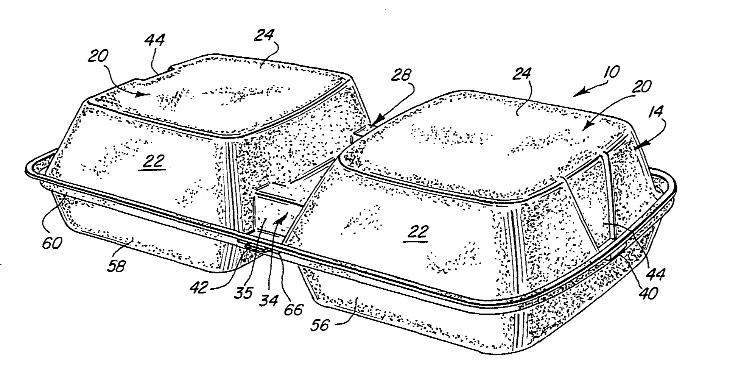
The correct answer is McDLT. Sold from 1984 to the early 1990s, the discontinued McDonald’s item used a divided container to keep the hot burger patty separate from the cool toppings.
McDLT is the discontinued McDonald’s item, sold from 1984 to the early 1990s, that came in a divided container designed to keep the hot and cold parts separate. The sandwich is one of the most remembered McDonald’s menu items of the 1980s because its packaging was not just a box, it was the main idea behind the product.
The name McDLT stood for McDonald’s Lettuce and Tomato. It was introduced nationally in 1984, during a period when fast-food chains were trying to make burgers seem fresher, bigger, and more customized. McDonald’s already had famous sandwiches like the Big Mac and Quarter Pounder, but the McDLT tried to solve a specific problem: hot hamburger patties can wilt lettuce, soften tomato slices, and make a burger feel less fresh by the time it is eaten.
The McDLT’s solution was a two-compartment foam container. One side held the hot bottom half of the sandwich, including the beef patty and bottom bun. The other side held the cooler ingredients, including lettuce, tomato, cheese, pickles, sauce, and the top bun. The customer opened the package and combined the two sides before eating. This kept the lettuce and tomato away from the hot patty until the last moment.
McDonald’s promoted the sandwich with the memorable slogan “Keep the hot side hot and the cool side cool.” That line explained the entire product in a way people could remember. The sandwich itself was a fairly straightforward fast-food burger, but the container made it feel different. It turned the meal into a small assembly process, and that unusual design helped the McDLT stand out from regular wrapped burgers.
The sandwich also had a well-known 1980s television commercial featuring Jason Alexander, years before he became famous as George Costanza on Seinfeld. The ad was energetic, musical, and very much of its decade, with dancing and a direct focus on the hot-and-cool concept. For many people, that commercial is a major reason the McDLT stayed in memory even after the sandwich disappeared from menus.
The McDLT reflected the food trends of its time. In the 1980s, fast-food chains were under pressure to offer items that seemed fresher and more substantial. Lettuce, tomato, and special sauces were often used to give burgers a more complete, restaurant-like feel. The McDLT leaned into that idea by making freshness part of the packaging itself. It suggested that the customer would get crisp lettuce, cool tomato, and a hot burger patty all in one sandwich.
The biggest problem was the packaging. The divided container was made from polystyrene foam, which became increasingly controversial as environmental concerns grew in the late 1980s and early 1990s. Foam clamshell containers were criticized for creating waste and being difficult to recycle. McDonald’s began moving away from foam packaging around that time, and the McDLT was closely tied to the very type of container the company was trying to phase out.
Without its divided foam package, the sandwich lost the feature that made it unique. It was eventually discontinued in the early 1990s. Later McDonald’s sandwiches used lettuce and tomato in more conventional packaging, but none had quite the same hot-side, cool-side identity. The Arch Deluxe, introduced later in the 1990s, aimed for a more adult burger image, but it did not recreate the McDLT’s split-container idea.
The answer is McDLT. Its divided container, hot-and-cool advertising slogan, and short but memorable run made it one of the most recognizable discontinued McDonald’s menu items from the 1980s.
Start a 10-question trivia challenge and see how many classic snacks, candies, cereals, restaurants, desserts, and food brands you know.
Start the Challenge