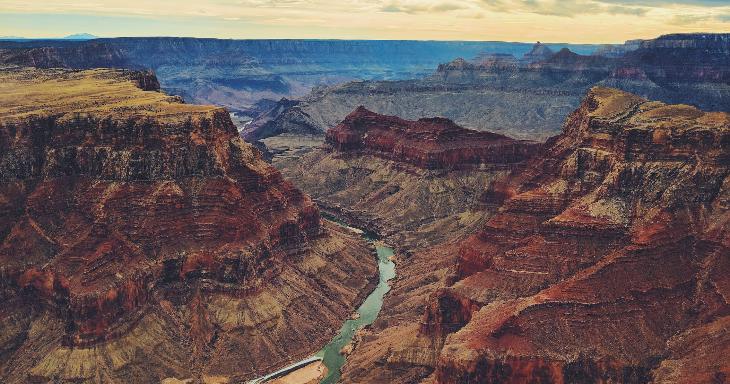
The correct answer is Arizona. The Grand Canyon is located in northern Arizona and is one of the most famous natural landmarks in the United States.
Arizona is the U.S. state where you would find the Grand Canyon, one of the most famous natural landmarks in the world. The canyon is located in northern Arizona and stretches for hundreds of miles across the Colorado Plateau. Its immense size, layered rock walls, desert setting, and sweeping views have made it one of the most recognizable landscapes in the United States.
The Grand Canyon was carved primarily by the Colorado River, which still runs through the canyon today. Over millions of years, the river cut downward through layers of rock, while erosion from wind, rain, ice, and gravity helped widen and shape the canyon. The result is a vast gorge that reveals a dramatic record of Earth’s geological history. Some of the exposed rock layers are extremely old, giving scientists and visitors a rare look into deep time.
Grand Canyon National Park is one of Arizona’s most visited destinations. The park was established as a national park in 1919, though the area had been protected in different ways before that. President Theodore Roosevelt was one of its strongest early defenders and famously urged Americans to preserve it. He visited the canyon in 1903 and spoke about keeping it as a great natural wonder for future generations. That preservation effort helped ensure that the canyon would not simply be treated as land for development or mining.
The Grand Canyon is often divided into several visitor areas, with the South Rim being the most popular and accessible. The South Rim is open year-round and offers many of the classic views people associate with the canyon. It has overlooks, walking paths, lodges, museums, and shuttle routes. The North Rim is higher, cooler, more remote, and usually open only seasonally because winter weather can close roads. Both rims are in Arizona, but they feel quite different because of elevation, climate, and access.
One reason the Grand Canyon is so powerful visually is the way its colors shift with the light. At sunrise and sunset, the canyon walls can appear red, orange, purple, gold, and brown. During the middle of the day, the vastness becomes more apparent, with cliffs, buttes, side canyons, and shadowed depths stretching far into the distance. The canyon is not just a single crack in the ground. It is a huge system of cliffs, plateaus, ridges, and river-carved passages.
The Grand Canyon also has deep human history. Native peoples have lived in and around the region for thousands of years. The area is especially important to tribes including the Havasupai, Hopi, Hualapai, Navajo, Paiute, Zuni, and others. Their connections to the canyon are cultural, historical, and spiritual. Long before it became a national park, the canyon was part of living homelands, trade routes, and traditional stories.
Tourism helped make the Grand Canyon a symbol of the American West. Railroads brought more visitors to northern Arizona in the early 20th century, and later highways made the trip easier for families traveling by car. The canyon became a major stop on western road trips, often connected with other Arizona landmarks and desert scenery. Its image appeared on postcards, travel posters, schoolbooks, documentaries, and family photo albums.
The Grand Canyon is also tied to adventure and outdoor recreation. People hike trails such as the Bright Angel Trail and South Kaibab Trail, take mule rides, camp below the rim, and raft sections of the Colorado River. Those activities require preparation because the canyon’s beauty can hide serious challenges. Heat, steep trails, limited water, and changing weather make it a place where visitors must be careful and respectful.
Although other states have famous canyons and desert landmarks, the Grand Canyon is firmly associated with Arizona. It is one of the state’s defining symbols and appears on Arizona license plates, tourism materials, and state imagery. Its size, history, geology, and cultural importance make it far more than a scenic viewpoint. It is a landmark that represents the scale and beauty of the American Southwest.
Start a 10-question trivia challenge and see how many states, landmarks, parks, and famous places you know.
Start the Challenge