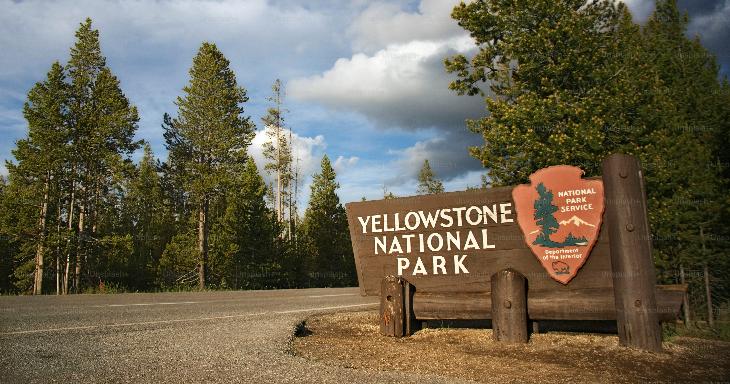
Established in 1872, which national park became the first national park in the U.S. and is regarded as being the first national park in the world?
The correct answer is Yellowstone National Park. Established in 1872, it was the first national park in the United States.
Yellowstone National Park is the answer. Established in 1872 under the Yellowstone National Park Protection Act, Yellowstone is widely regarded as the first national park in the United States and often called the first national park in the world, with geothermal features, Old Faithful, major wildlife habitat, and land spanning Wyoming, Montana, and Idaho.
Yellowstone Becomes the First National Park
Yellowstone National Park was established in 1872. Its creation marked a major step in setting aside public land for preservation, natural features, and public benefit. That 1872 designation is why Yellowstone is widely identified as the first U.S. national park and often described as the first national park in the world.
A Park Across Three States
Most of Yellowstone is located in Wyoming, but the park also extends into Montana and Idaho. This three-state geography is part of what makes Yellowstone unusual among major U.S. national parks. Its large protected area includes mountains, rivers, forests, valleys, and geothermal basins across a major section of the northern Rocky Mountain region.
Geysers, Hot Springs, and Wildlife
Yellowstone is known for geothermal features such as geysers, hot springs, mudpots, and steam vents. Old Faithful is one of the park’s best-known geysers and remains closely associated with Yellowstone’s public identity. The park also protects important wildlife habitat for animals such as bison, elk, bears, wolves, and many other species.
Why Yellowstone Shaped the National Park Idea
Yellowstone helped define the national park model by treating a large natural landscape as something to protect rather than simply develop or sell. Its establishment influenced later conservation efforts in the United States and abroad. The park’s combination of geothermal features, wildlife, scenic landscapes, and legal protection made Yellowstone a foundation point in national park history.
Ready for another challenge?
Start a 10-question challenge and test your knowledge of states, landmarks, capitals, cities, rivers, parks, and famous American places.
Start the Challenge