Nature & Animals Trivia Question
An ocean wildlife question about pufferfish, spines, predators, and defensive inflation.
Question

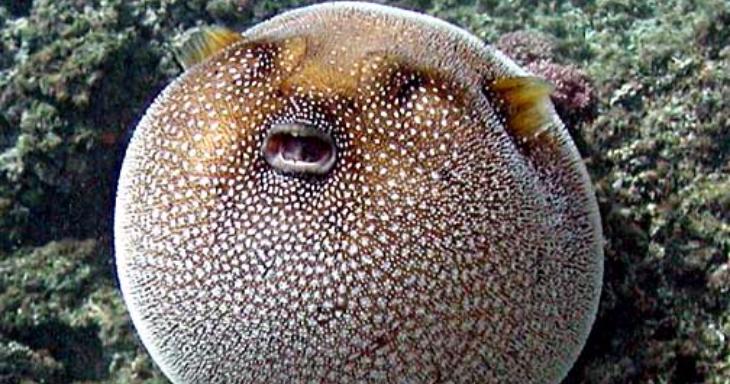
What ocean fish is known for inflating its body into a spiny ball when threatened?

Correct Answer
Pufferfish

The correct answer is pufferfish. When threatened, a pufferfish can inflate its body with water or air, making itself larger, rounder, and harder for predators to swallow.

Like nature and animals trivia?
Start a 10-question trivia challenge beginning with a question like this. No signup needed to begin.
Start the Challenge
Why Pufferfish Is the Correct Answer

Pufferfish is the ocean fish known for inflating its body into a spiny ball when threatened. This unusual defense mechanism makes the pufferfish one of the most recognizable fish in the ocean. When danger approaches, it can rapidly expand its body, turning from a normal-looking fish into a much larger, rounder shape that is harder for predators to swallow.

The name pufferfish comes from this ability to “puff” itself up. A pufferfish inflates its body by taking in water or air, depending on whether it is underwater or near the surface. Its stomach is highly expandable, allowing it to fill quickly and increase the fish’s size. This sudden change can startle predators and make the pufferfish look far less manageable as prey. A predator that might easily swallow a small fish may hesitate when that fish suddenly becomes a swollen, awkward ball.

Many pufferfish also have spines that become more noticeable when the fish expands. In a relaxed state, the spines may lie flatter against the body or be less obvious. Once the pufferfish inflates, those spines can stick outward, creating the look of a spiny ball. This adds another layer of protection. Even if a predator tries to bite or swallow the fish, the inflated shape and pointed spines can make the attempt difficult or painful.

Pufferfish are found in many parts of the world, including tropical and subtropical ocean waters. Some species live in coral reefs, seagrass beds, lagoons, estuaries, and coastal shallows. A smaller number live in brackish or freshwater environments. They are often slow swimmers compared with many other fish, which helps explain why they rely so heavily on defense rather than speed. Instead of escaping every threat by darting away, they use their shape-changing ability to survive.

The pufferfish’s defense system is not limited to inflation. Many species also contain tetrodotoxin, a powerful natural toxin. Tetrodotoxin can be extremely dangerous to predators, and it is also dangerous to humans if contaminated parts of the fish are eaten. The toxin is found in certain organs and tissues, depending on the species. This chemical defense makes many pufferfish even less appealing as prey. A predator that survives a bad experience with a toxic pufferfish may learn to avoid similar fish in the future.

The toxin is one reason pufferfish are famous in food culture as well as marine biology. In Japan, certain pufferfish are known as fugu and can be prepared only by specially trained and licensed chefs. The risk comes from the toxin, which must be carefully avoided during preparation. Not all pufferfish species have the same level of toxicity, but the reputation of the group is strongly tied to tetrodotoxin.

Pufferfish have beak-like teeth that are also distinctive. Their teeth are fused into strong plates, allowing them to crush hard-shelled prey such as clams, snails, crabs, and other invertebrates. This feeding style suits many reef and coastal habitats, where small hard-bodied animals are common. The same strong mouth that helps them feed also gives them a very different appearance from many streamlined ocean fish.

Their rounded faces, large eyes, and strange defensive behavior have made pufferfish popular in aquariums and nature documentaries. They can look almost comical when inflated, but the behavior is serious. Puffing up uses energy and can stress the fish, so it is generally a last-resort response to danger rather than something the fish does casually. Handling or frightening a pufferfish just to make it inflate can harm the animal.

The answer is pufferfish. This ocean fish inflates its body when threatened, often becoming a spiny ball that is difficult for predators to swallow. With its expandable stomach, sharp spines, strong beak-like teeth, and in many species the added protection of tetrodotoxin, the pufferfish has one of the most memorable defense mechanisms in the marine world.

More Nature & Animals Trivia Questions

Ready for another challenge?

Start a 10-question trivia challenge and see how many wildlife, birds, insects, plants, oceans, forests, and natural wonders you know.

Start the Challenge